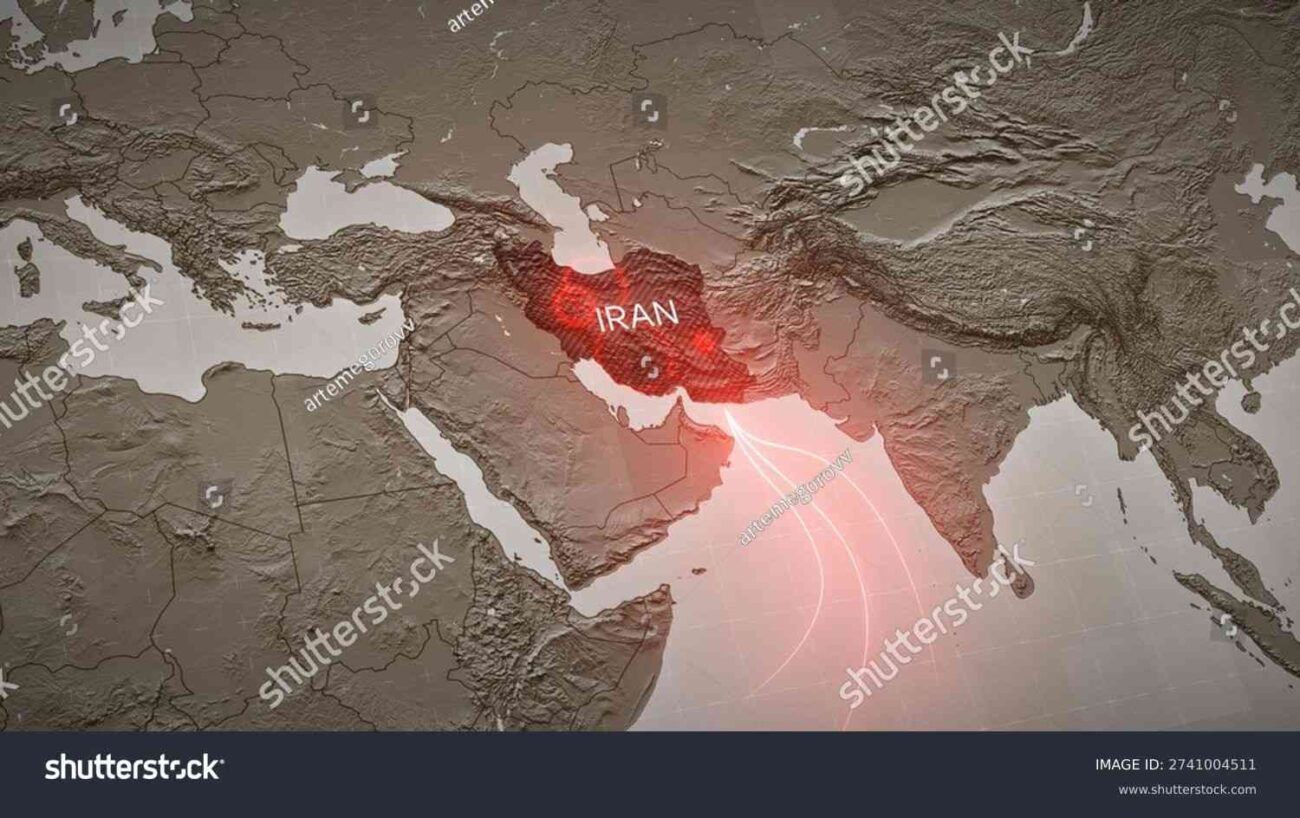
In recent times, the news headlines have been dominated by tensions in the Middle East. Although being thousands of kilometers away, India too suffers from its impact, like its peers. Maybe due to taking some precautionary measures, issues like the surge in fuel prices were relatively less intense. Despite that, the economy suffers, the stock markets are bearish, and there have been strong FII outflows.
What has actually happened? Let’s look at it in detail.
Risk Of Rising Food Inflation

The Middle East war is undoubtedly affecting the budgets of common people like you and me.
The rising food inflation needs a special mention. India relies heavily on imported fertilizers for agriculture. Fertilizers mostly rely on ingredients like Urea, Ammonia, and LNG. These fertilizers are mostly imported from the Gulf countries like Saudi Arabia, Qatar, and the UAE.
A news article published on The Diplomat states that over 60% of Urea imports and around 80% of Ammonia and Sulphur imports are sourced from the Gulf region. Further, an article published on Business Today states that around 49% of Nitrogen fertilizer imports come from this region.
Now, due to the tensions in the Strait of Hormuz, the vessels take longer routes. This results in increased transportation costs and delayed deliveries. Hence, the fertilizer costs are increasing.
So, basically, the input cost of cultivating food crops is rising, which then subsequently reflects on the output we consume.
Consider reading this article by the Observer Research Foundation to know more about the war’s impact on the agriculture sector.
Beyond that, even the edible oil prices are rising. A Financial Express news article explores this issue and the impact on Indian households in detail. It states that India heavily relies on imported edible oil for household consumption, with around 56% oil imported. Due to the current geopolitical tensions, the edible oil imports have also become expensive.
The news article also highlights the anticipated fall in retail demand driven by rising prices and consumers’ tendency to shift towards cheaper substitutes.
Heat On The Indian Industries

Now let’s look at the war’s impact on Indian industries.
The global supply chain disruptions have resulted in increased raw material costs along with delayed deliveries as the ships are forced to take longer routes.
For import-dependent industries, the war has contributed to increased raw material costs. Adding fuel to the fire, the falling Rupee has made imports even more expensive. So, these industries basically face pressure from both increased transportation costs and weakening Indian currency.
The export-oriented industries are no exception. They too are dealing with higher transportation costs, shipping delays, and also the surging insurance premiums.
The Dollar Strengthening, Jolt in Gold Prices, and FII Outflows

Usually, during times of war or any other economic uncertainty, investors globally consider gold as the ‘safe haven asset’. Strangely, this time even the gold prices tumbled. So, what happened?
1. The Concept of ‘petrodollar’
Firstly, let’s explore what’s ‘petrodollar’. It is basically an agreement made long ago that oil is priced in US dollars [USD]. So, when the members of OPEC countries sell oil, they earn revenue in USD.
Now, if the crude oil prices surge, the Dollar strengthens automatically. We can call them ‘directly proportional’ in this case [the war case]. That’s how the Dollar Index spiked high this time.
2. Increasing US Bond Yield
Due to the dollar strengthening, the US bonds have become more attractive in the eyes of investors. The stronger the dollar, the higher the bond yields. This was one of the main factors that led to the correction in the gold price globally, and also the FII outflows from the Indian markets.
Other than that, for gold, some profit booking might also have happened. However, in the long run, gold is expected to perform better.
The Takeaway
Like in the case of its peers, India too suffers some impact on the economy. From the LPG cylinder issue, rising fertilizer cost, to stronger FII outflows, there is a wider ripple effect. As I mentioned earlier, the war happening thousands of kilometres away affects pockets of ordinary people like you and me.
For those willing to dig deeper into the specific matters, I’ve attached the relevant links to the sources.
Let’s hope for a better and peaceful world.
